Make the case for change
Identify the recurring reconciliation and manual work behind a familiar spreadsheet. Use that cost to explain why a rebuild deserves attention.
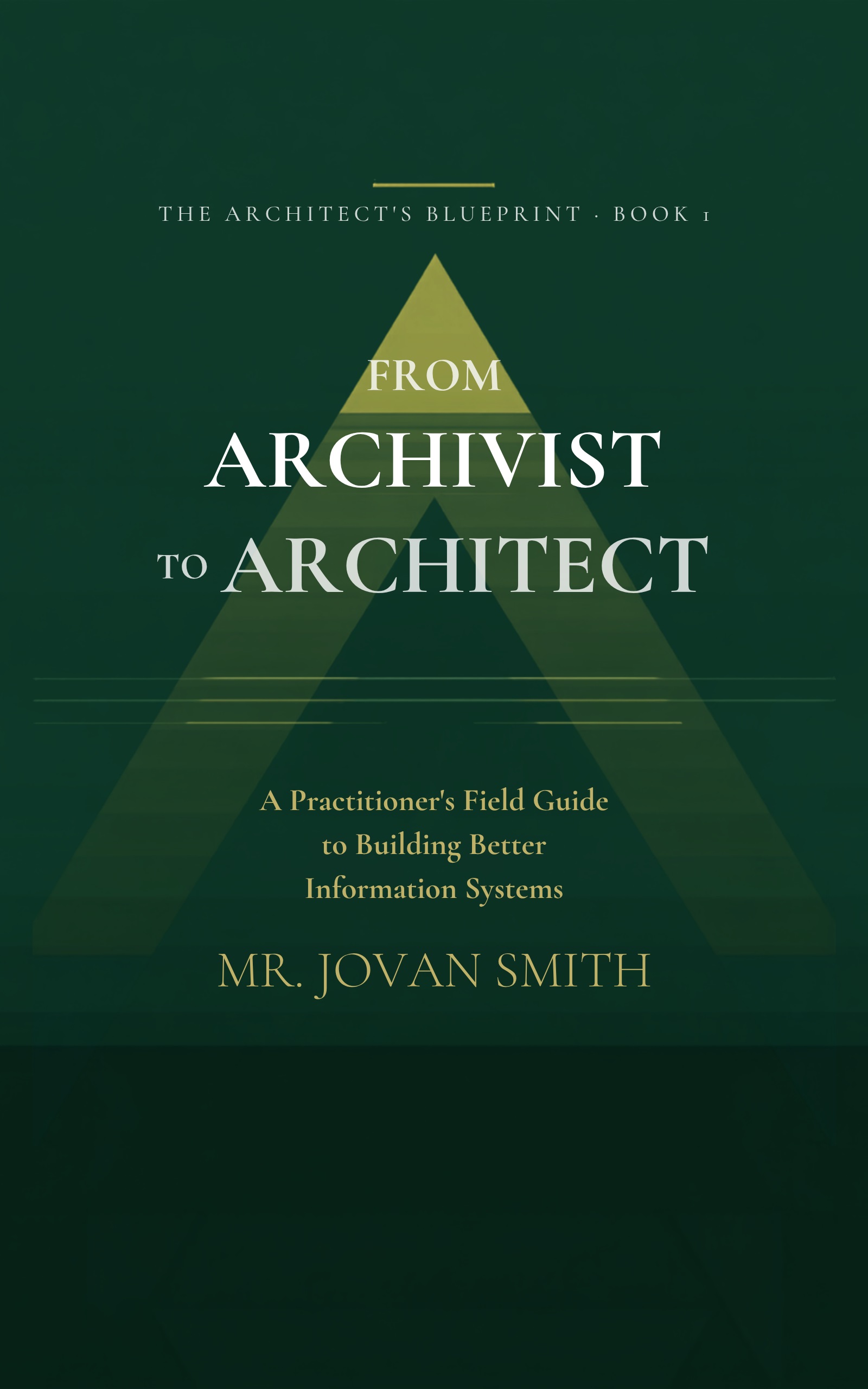
The Architect's Blueprint Series · Book 1
A Practitioner's Field Guide to Building Better Information Systems
Turn the spreadsheet everyone depends on into a system someone else can trust, run, and improve.
For coordinators, advisors, counselors, analysts, and program leaders who know the work and want their teams to use the information they already have.
Start with the free companion resources
Available on Kindle. Check the current price on Amazon before buying.
An 825 Consulting Press title from 825 Consulting LLC.
From reading to decisions
Identify the recurring reconciliation and manual work behind a familiar spreadsheet. Use that cost to explain why a rebuild deserves attention.
Name the authoritative source for each value, document the rules, and compare the new process with the old before people rely on it.
Plan ownership, documentation, and a second operator so the next person can understand how the system works and when to ask for help.
Choose a report or reconciliation you repeat. Write down where its inputs come from, which source wins when values disagree, and who could run it if you were away. The gaps give you a concrete starting point for the book.
Useful information often arrives from many places, while the people who could act on it are still searching for the right file or waiting for a report.
If you have ever spent a Friday afternoon copy-pasting student records, reconciling forms that should not need reconciling, or trying to remember which version of "the file" is current, this book is for you.
From Archivist to Architect is a field guide for practitioners who want to turn that information into systems their colleagues can use, question, and sustain.
Becoming an architect here does not mean chasing a title. It means learning to see the whole system, designing the rules beneath it, and building infrastructure other people can trust and operate. The title may follow. The work comes first.
Written from work inside higher education, the book shows how a practitioner can learn a program from within, preserve the context that matters, and build with colleagues so the system lasts beyond one person.
The method starts with one manual step, clarifies the source and decision behind it, then builds toward reliable records, staff views, and shared maintenance. The tools can differ; the questions about authority, timing, and responsibility travel.
The archivist preserves what happened. The architect designs what happens next.
Start with the work you know. Build something your team can understand and improve.
If you have inherited a fragile system, if you are about to be hired into one, or if you are quietly planning the migration off your office's brittle database or sprawling tracker spreadsheet, start here.
The full series catalog lives on the 825 Consulting Press page.
The hands-on companion repository for the book is free and public on GitHub: checklists, templates, and skills you can put to work as you build, plus the white paper on cue-placement memory for AI agent fleets.
The book develops the architecture and the decisions behind it. The companion offers reusable resources for your own workflow; it does not require a book purchase.
Ready for the wider architecture? The book is available on Amazon. The companion stays available whenever you want to apply a pattern.
For consulting engagements, custom implementation, licensed training, or bulk-purchase requests, contact jovan@the825.co.